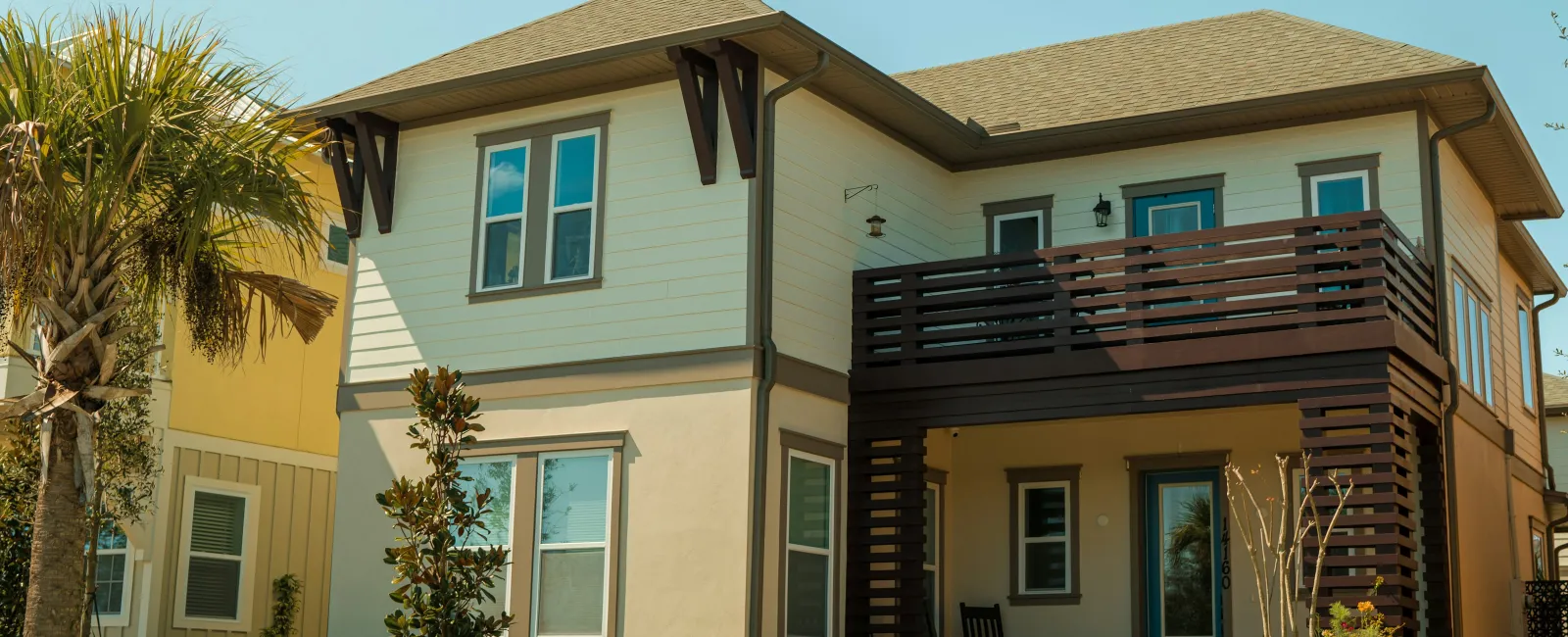
Whether you're a first-time buyer or returning to the housing market after years away, understanding the home buying process is essential for a smooth, confident purchase. The landscape has shifted in 2026 — inventory is gradually loosening in many markets, mortgage technology has streamlined approvals, and buyers who prepare properly are landing homes faster than those who wing it. This guide walks you through every major stage so you can approach your purchase with clarity and avoid costly surprises at the closing table.
How to Start the Home Buying Process
The journey begins well before you ever tour a property. Your first move should be getting a clear picture of your finances. Pull your credit reports, tally your monthly debts, and figure out how much cash you can put toward a down payment and closing costs. Lenders will scrutinize these numbers, so it pays to know them yourself first.
Next, get pre-approved for a mortgage. Pre-approval is different from pre-qualification — it involves a lender verifying your income, assets, and credit to issue a conditional commitment for a specific loan amount. In a competitive market, sellers take pre-approved offers far more seriously than those without financing confirmation. A pre-approval letter also helps you set a realistic budget so you aren't wasting time touring homes outside your range.
Home Buying Process Steps: From House Hunting to Making an Offer
With pre-approval in hand, it's time to partner with a real estate agent and begin your search. A good buyer's agent knows the local market, can spot red flags during showings, and will advocate for you during negotiations. Share your must-haves, nice-to-haves, and deal-breakers up front so your agent can filter listings efficiently.
When you find the right home, your agent will help you craft a competitive offer. This includes the purchase price, earnest money deposit, any contingencies (such as financing, appraisal, and inspection contingencies), and your proposed closing date. The seller may accept, reject, or counter your offer — be prepared for some back and forth before reaching a signed purchase agreement.
The Home Buying Process Timeline: What Happens After Your Offer Is Accepted
Once the seller accepts your offer, the clock starts ticking. Most buyers wonder how long the home buying process takes from contract to closing, and the typical answer is 30 to 45 days, though it can stretch longer if complications arise. Here's what fills that window:
Home inspection (days 1-10): Hire a licensed inspector to evaluate the property's structure, systems, and safety. The inspection report may reveal issues that lead you to renegotiate repairs, request a price reduction, or, in serious cases, walk away using your inspection contingency.
Appraisal (days 10-20): Your lender orders an independent appraisal to confirm the home's market value supports the loan amount. If the appraisal comes in low, you may need to renegotiate the price, bring extra cash to the table, or challenge the appraisal with comparable sales data.
Underwriting and loan processing (days 15-35): The lender's underwriting team reviews every detail of your application — tax returns, bank statements, employment verification, and the appraisal. They may request additional documents during this phase. Respond quickly to any requests to keep your timeline on track.
Title search and insurance (concurrent): A title company examines public records to confirm the seller has clear ownership and there are no liens or legal claims against the property. Title insurance protects you and the lender from any issues that surface after closing.
Home Buying Process Checklist for Closing Day
Closing day is when ownership officially transfers to you. To make sure everything goes smoothly, use this checklist in the days leading up to it:
- Review the Closing Disclosure: Your lender is required to provide this document at least three business days before closing. It details your final loan terms, monthly payment, and total closing costs. Compare it carefully against your original Loan Estimate and flag any discrepancies immediately. See also Florida Closing Costs: What To Expect for details on closing costs.
- Conduct a final walkthrough: Visit the property 24 to 48 hours before closing to verify that any agreed-upon repairs were completed, the seller's belongings are removed, and the home is in the expected condition.
- Prepare your funds: You'll need a cashier's check or wire transfer for your down payment and closing costs. Confirm the exact amount and wiring instructions directly with your title company — never rely on emailed wire instructions alone, as wire fraud is a real threat in real estate transactions.
- Bring proper identification: A valid government-issued photo ID is required. If you've recently changed your name, bring supporting legal documents.
At the closing table, you'll sign a stack of documents including the mortgage note, deed of trust, and settlement statement. Your closing agent or attorney will walk you through each one. Don't rush — ask questions about anything you don't understand. Once signatures are complete and funds are disbursed, you'll receive the keys to your new home.
Common Pitfalls That Delay or Derail the Home Buying Process
Even well-prepared buyers can hit snags. Knowing the most common issues helps you avoid them:
Changing jobs or making large purchases during underwriting. Lenders verify your employment and finances right up until closing. Switching employers, taking on new debt, or making large withdrawals can trigger red flags that delay or jeopardize your approval.
Skipping the inspection to save time. In competitive markets, some buyers waive inspections to strengthen their offers. This can backfire spectacularly if hidden issues like foundation problems or outdated electrical systems surface after you've moved in. The cost of an inspection is a small price for peace of mind.
Underestimating closing costs. Beyond your down payment, closing costs typically run 2% to 5% of the purchase price. These include lender fees, title insurance, prepaid taxes and insurance, and recording fees. Factor these into your budget from the very beginning so you aren't scrambling at the end.
Ignoring rate lock timing. Mortgage rates can shift daily. Once you have an accepted offer, talk to your lender about locking your interest rate. A rate lock protects you from increases during the processing period, and in a volatile rate environment, that protection is valuable.
Your Step-by-Step Home Buying Process Starts Here
Buying a home is one of the biggest financial decisions you'll make, but it doesn't have to be overwhelming. When you understand each stage of the home buying process — from pre-approval through closing — you can make informed decisions, avoid unnecessary stress, and move into your new home with confidence.
At Edge Mortgage USA, we guide buyers through every step of the journey. Whether you need help choosing the right loan program, understanding your closing costs, or simply want a lender who picks up the phone and answers your questions, our team is here for you. Contact Edge Mortgage USA today to get pre-approved and take the first step toward homeownership.